Source Neoprene Beach Bags for Travel, Shopping, and Hiking
Explore 30 neoprene beach bag options from Chinese manufacturers. Compare features like waterproofing, customization, and sizes ranging from 20cm to 50cm. Find suitable suppliers for travel, outdoor activities, and daily use with varying MOQs and lead times; compare the available evidence and request quotations based on your requirements.
Key considerations
Products List
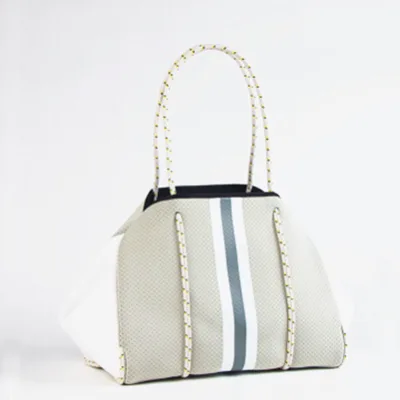
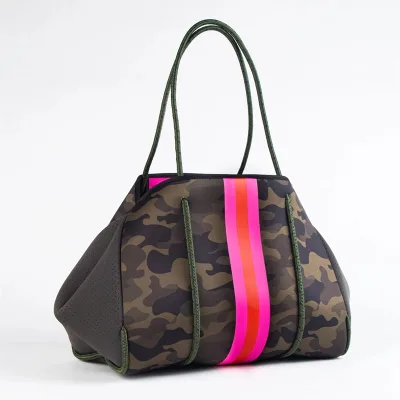
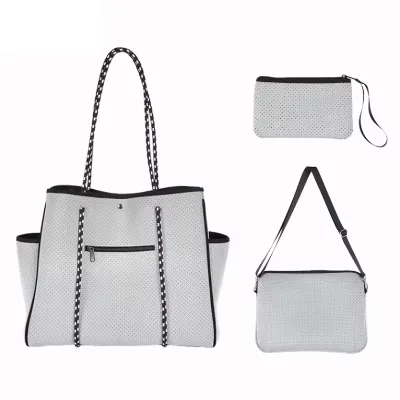


Comprehensive Sourcing Guide
Neoprene Beach Bag Sourcing Guide
Buyers evaluating neoprene beach bags must first distinguish between general travel utility and specific performance requirements, as observed listings show a wide variance in capacity and structural design. The product category spans from compact, lightweight carriers suitable for single-item transport to larger, multi-compartment solutions designed for full beach excursions. Understanding these distinctions is critical before engaging suppliers, as the intended use case dictates the necessary material thickness, closure mechanisms, and overall dimensions required for a successful procurement.
Procurement teams should also scrutinize the observed listing signals regarding customization capabilities and supply consistency, which vary significantly across the market. While some vendors offer standard solid colors and fixed sizes, others provide extensive options for custom logos, unique color combinations, and tailored dimensions to match specific brand identities. This variability means that a single sourcing strategy rarely fits all needs, requiring buyers to clearly define their customization thresholds and volume expectations to avoid mismatches between supplier capabilities and project requirements.
Product Scope and Observed Listing Signals
The observed market data indicates a clear segmentation in product features, with some listings highlighting water-proof capabilities and others emphasizing multifunctional designs for travel and outdoor activities. Buyers must verify if the specific neoprene construction meets the intended environmental exposure, as the material's inherent properties can vary based on the manufacturing process and the specific blend of rubber and fabric used. Confirming whether the bag is designed for wet environments or general dry storage is essential for aligning the product selection with the actual usage scenario.
Listing signals also reveal a broad spectrum of size specifications, ranging from compact units measuring approximately 20x16x9 cm to larger models reaching 50x38x13 cm. This diversity suggests that buyers should not assume a standard size applies to all neoprene beach bags but must instead request detailed dimensional data for each potential supplier. The presence of multiple size options, including specific L, M, and S variants, indicates that successful sourcing requires a precise match between the bag's physical footprint and the customer's storage or carrying needs.
Technical Specifications to Verify
Technical verification must begin with the material composition and lining, as observed listings specify neoprene as the primary material with polyester linings in certain models. Buyers should confirm the exact thickness of the neoprene and the quality of the lining to ensure durability and water resistance, as these factors directly impact the bag's lifespan and performance in wet conditions. Additionally, the closure type, whether open or zipper-based, must be validated against the security requirements of the intended application to prevent loss of contents during transit.
Dimensional accuracy and weight specifications are equally critical, with observed data showing single gross weights ranging from 0.120 kg to 0.8 kg depending on the model. Procurement teams must verify that the listed dimensions, such as 38x30x24 cm or 50x38x13 cm, correspond to the actual product volume and that the weight aligns with the expected portability. Ensuring that the single package size and gross weight match the supplier's claims is vital for accurate logistics planning and cost estimation, as discrepancies can lead to unexpected shipping expenses and storage issues.
Compliance and Safety Documentation
While specific certification statuses like OEKO-TEX or REACH are mentioned in background contexts, buyers must explicitly request current compliance documentation from suppliers rather than assuming adherence to these standards. The absence of guaranteed certification in the observed listing data means that procurement teams should treat any safety claims as unverified until official test reports are provided. This proactive approach ensures that the neoprene materials used do not contain harmful substances and meet the regulatory requirements of the target export markets.
Safety verification should also extend to the physical construction of the bag, including the strength of handles, straps, and any custom logos applied to the surface. Buyers need to confirm that the customization process, such as printing or embroidery, does not compromise the structural integrity of the neoprene or introduce hazardous materials. Requesting evidence of quality control measures related to these physical attributes helps mitigate risks associated with product failure or safety incidents during the product's lifecycle.
Cost Drivers and Commercial Terms
Cost structures for neoprene beach bags are heavily influenced by the level of customization required, with observed listings showing significant variations in MOQs ranging from 10 to 1000 pieces. Buyers should anticipate that orders requiring custom colors, unique patterns, or specific logo placements will incur higher unit costs and potentially longer lead times compared to standard stock items. Understanding these cost drivers is essential for budgeting, as the trade-off between customization and volume directly impacts the overall financial viability of the procurement project.
Commercial terms must also account for the observed supply capabilities, which range from 20,000 to 1,000,000 pieces per month depending on the supplier. Procurement teams should negotiate clear delivery schedules and production timelines, noting that sample times can vary between 7 to 10 days. Establishing a robust agreement on payment terms, shipping responsibilities, and penalties for delays is crucial, especially when dealing with suppliers who have varying production capacities and logistical constraints.
Supplier Qualification and Quality Control
Supplier qualification should prioritize manufacturers with a proven track record in neoprene production and a clear understanding of the specific application requirements for beach and travel bags. Buyers must verify the supplier's location, such as Guangdong, China, and assess their ability to maintain consistent quality across large production runs. Evaluating the supplier's history with similar products and their capacity to handle customization requests ensures that the final output meets the buyer's expectations for style, functionality, and durability.
Quality control protocols must be established early in the sourcing process, focusing on the consistency of materials, stitching, and finishing details. Buyers should require pre-shipment inspections to verify that the bags meet the specified dimensions, weight, and closure mechanisms before they are dispatched. Implementing a rigorous QC plan that includes random sampling and functional testing helps identify potential defects early, reducing the risk of receiving substandard products that could damage the buyer's brand reputation.
Long-Term Procurement Checks
Long-term procurement success relies on establishing a continuous feedback loop with suppliers to monitor product performance and address any emerging issues promptly. Buyers should regularly review the durability of the neoprene bags in real-world conditions and gather customer feedback to identify areas for improvement in future production runs. This ongoing evaluation ensures that the product remains competitive and meets the evolving needs of the market, fostering a sustainable relationship with the supplier.
Additionally, suppliers should be periodically reassessed based on their ability to meet changing volume demands and adapt to new customization trends. Buyers must maintain open communication channels to discuss potential updates in materials, designs, or regulatory requirements that could impact the product line. By staying proactive in supplier management, procurement teams can ensure a steady supply of high-quality neoprene beach bags that align with their strategic business goals and market positioning.
FAQs
What sizes are available for the neoprene beach bag?
The neoprene beach bag comes in three distinct sizes to suit different needs. L size measures 38 by 30 by 24 cm, while M size is 36 by 31 by 16 cm. S size is compact at 20 by 16 by 9 cm. These dimensions allow buyers to choose the capacity that best fits their travel or shopping requirements effectively.
Can I customize the logo and colors on the bag?
Yes, customization is available for both logos and colors. Buyers can select from various color options including navy blue, black, and camouflage patterns, or request customized colors. The product also accepts customized logos to meet brand identity needs. This flexibility ensures the final product aligns perfectly with specific design preferences and marketing goals.
What is the minimum order quantity for this product?
The minimum order quantity for this neoprene beach bag is 300 pieces. This MOQ allows businesses to place manageable initial orders while securing bulk pricing benefits. Buyers should note that supply ability reaches up to one million pieces per month, ensuring that larger orders can be fulfilled efficiently without significant delays in production schedules.
How long does it take to produce a sample?
The sample time for this neoprene beach bag is typically seven to ten days. This timeframe allows manufacturers to prepare and ship samples for quality verification before full production begins. Buyers can use this period to check material quality, stitching, and customization accuracy, ensuring the final bulk order meets their specific standards and expectations.
What material is used to make this beach bag?
This beach bag is made from neoprene material, which offers durability and water resistance. The lining is constructed from polyester for added strength. Neoprene provides flexibility and comfort, making it suitable for all seasons. This material choice ensures the bag remains functional for travel, shopping, and outdoor activities while maintaining its shape and integrity over time.
Where is this product manufactured and shipped from?
This product originates from Guangdong, China, and is shipped from the Shenzhen port. Buyers can expect efficient logistics due to the strategic location of the dispatch port. The manufacturing base in Guangdong is known for its robust production capabilities, ensuring consistent quality and timely delivery for international orders placed by global buyers seeking reliable sourcing partners.